When Embroidery Operates Architecturally: Surface, Scale, and Spatial Integration
Embroidery has traditionally existed within textile traditions — functioning as ornament, narrative, or surface embellishment. In contemporary interiors, however, its role can shift.
When embroidery is calibrated to proportion, integrated into fixed planes, and developed in response to spatial conditions, it begins to operate architecturally.
This shift is not aesthetic. It is operational.

Surface as Plane
In decorative contexts, embroidery is often treated as an image or motif. Its primary function is visual enrichment.
Architectural application requires a different approach.
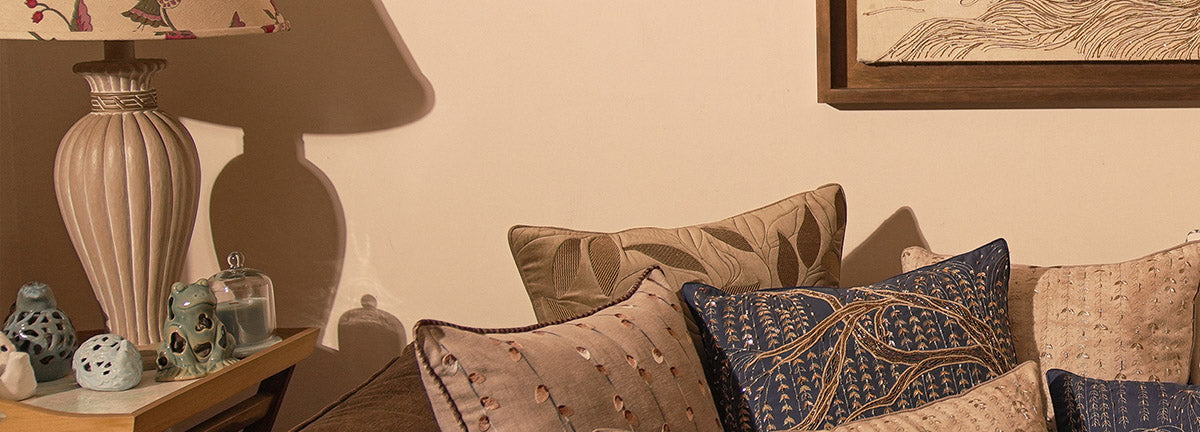
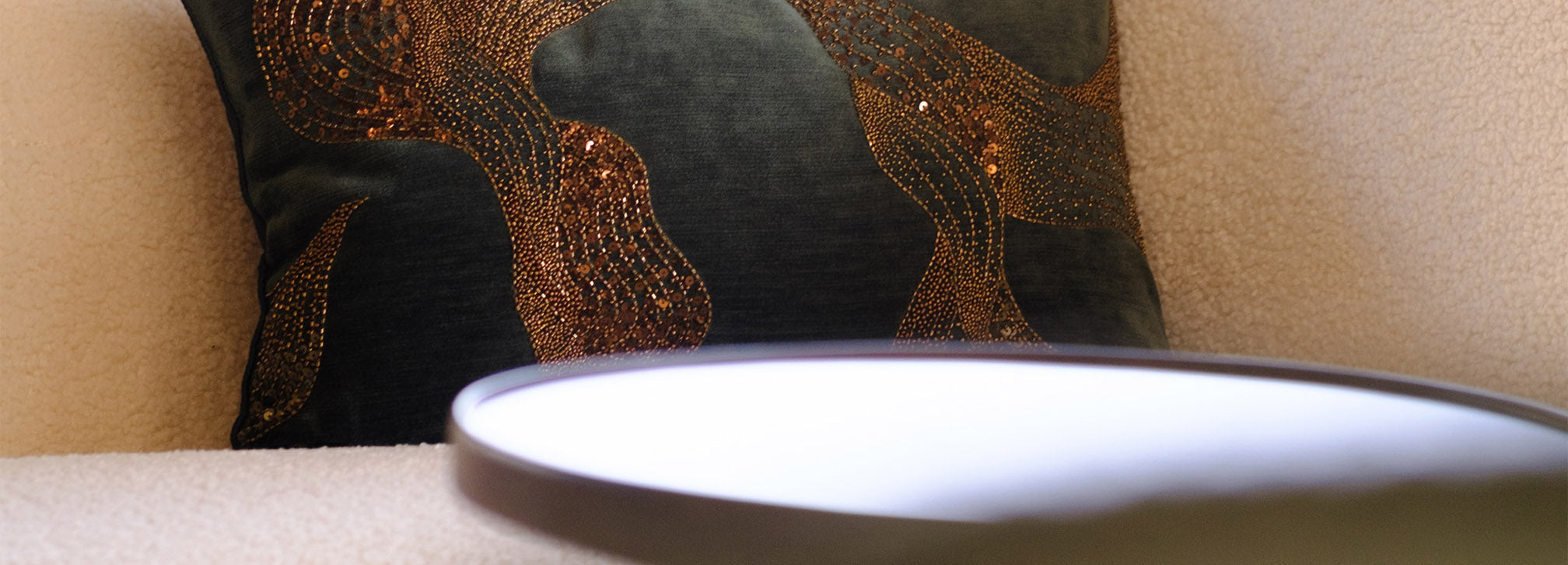
Here, embroidery is developed as a calibrated surface plane — where stitch density, relief, and material weight influence how light is absorbed, how shadow forms, and how a vertical field holds presence within a room.
The emphasis shifts from pattern to surface behaviour.
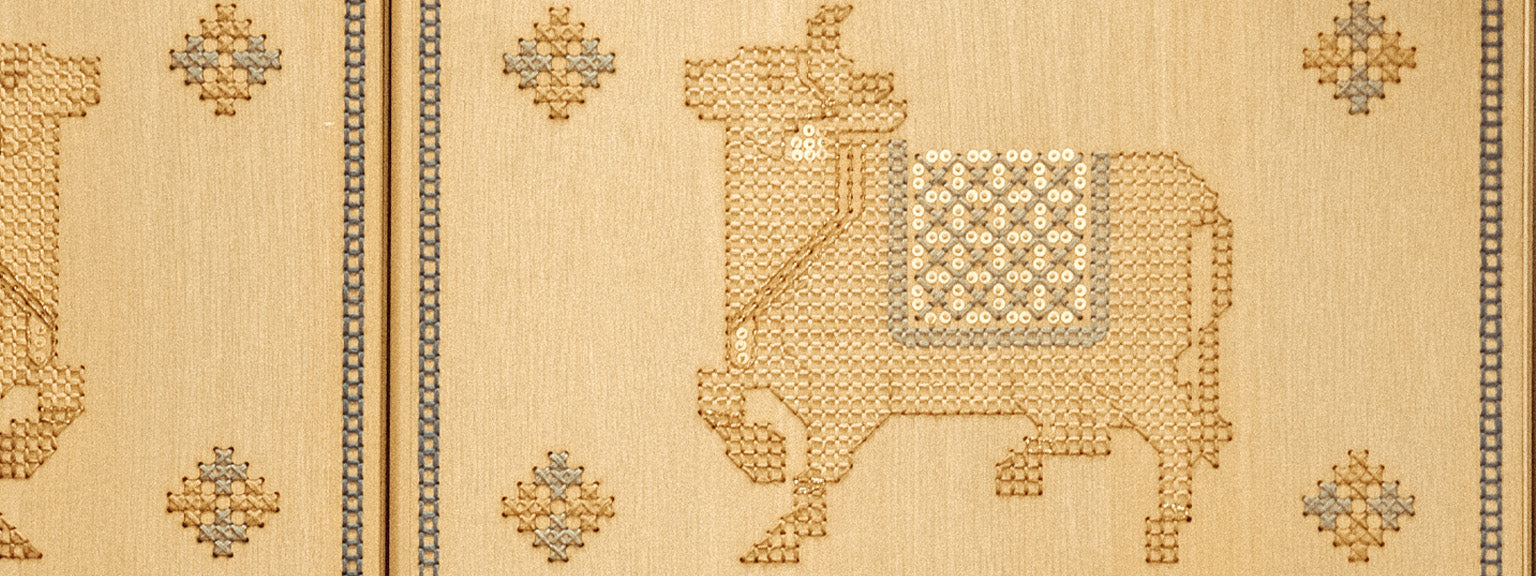
Rather than sitting on top of material, thread interacts with the substrate, whether textile wall panels, embroidered veneer panels, or integrated architectural surface systems, creating depth that affects perception across distance.
Related textile-based explorations of density and vertical fall are documented within our surface study archive.
Scale and Proportion
Architecture operates through proportion.
When embroidery is scaled without reference to ceiling height, panel width, or viewing distance, it remains decorative. When stitch density and articulation respond to spatial dimensions, it begins to operate as part of the built environment.
Large vertical shutters require continuity across height. Wall panels demand a calibrated rhythm across extended planes. Transitional corridors require controlled visual weight.
In these contexts, embroidery must respond to dimension rather than repeat isolated motif logic.
Scale determines behaviour.
Spatial Integration
Architectural embroidery is defined by integration.
When embroidery is embedded into veneer shutters, integrated within cabinetry, or developed as calibrated textile wall panels, it becomes part of the architectural assembly.
The surface is no longer movable. It participates in the spatial structure.
For example, embroidered veneer wardrobe shutters require alignment with joinery systems, consideration of substrate movement, anchoring stability, and installation sequencing. Textile-based wall studies must respond to vertical proportion and adjacency rather than function as relocatable decor.
Custom hand-embroidered architectural panels require alignment. Integration alters the role of craft.
A detailed case study of textile-integrated veneer shutters can be explored here.
Construction and Coordination
Operating architecturally introduces technical parameters.
Substrate stability, backing systems, stitch anchoring, environmental exposure, and long-term performance must be evaluated before fabrication begins.
Embroidery becomes part of construction planning rather than post-installation embellishment.
Coordination with carpentry, lighting, and finishing schedules ensures that surface articulation aligns with broader project timelines.
The commissioning framework and fabrication sequencing behind such interventions are outlined in our process notes.
** Project Timelines and Planning Considerations
** Commissioning Surface Interventions.
When Embroidery Operates Architecturally
Embroidery operates architecturally when:
-
It responds to the spatial dimension rather than an isolated motif.
-
It is calibrated to proportion and viewing distance.
-
It integrates into fixed planes or structural systems.
-
It influences light absorption and surface weight.
-
It is developed in coordination with construction parameters.
The shift is operational rather than decorative.
As interior architecture increasingly embraces material depth and surface articulation, embroidery can move from applied embellishment to an integrated spatial system.
Closing
Architectural embroidery is not a stylistic category. It is a condition of integration.
When surface, scale, and spatial coordination align, embroidery becomes part of the built environment — calibrated, embedded, and constructed with intent.
Explore related surface studies or initiate a project consultation to evaluate architectural integration for upcoming work.
** Our commissioning methodology for surface systems is detailed here