Article: Commissioning Surface Interventions: A Structured Practice
Commissioning Surface Interventions: A Structured Practice
Surface interventions operating at architectural scale require development more than just selection.
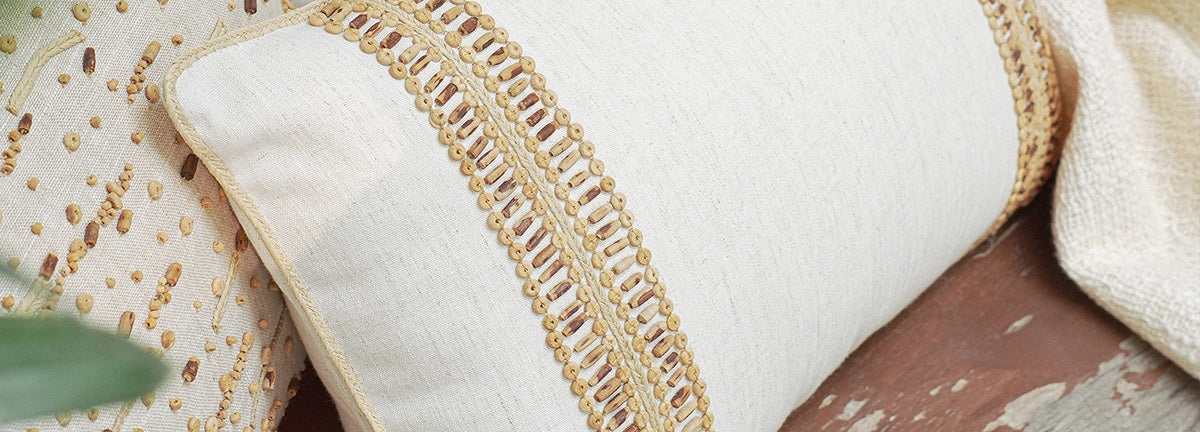
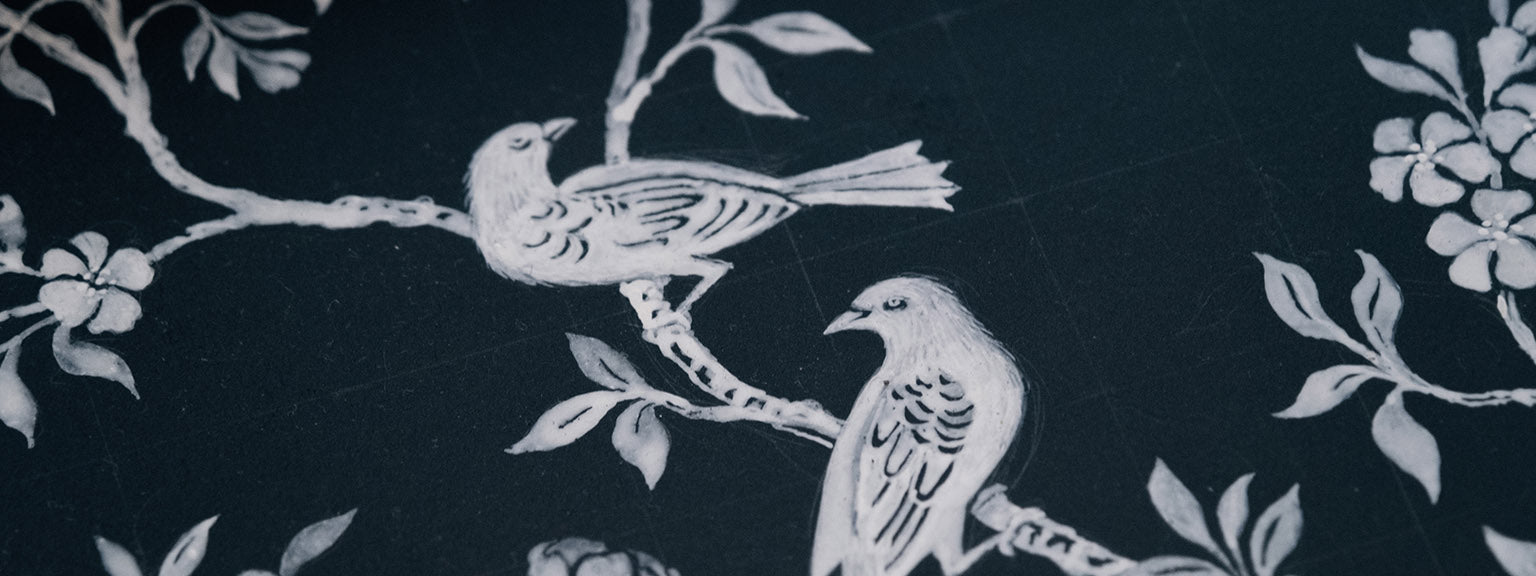
At Gulzoe, surfaces, whether embroidered textile wall panels or veneer-based interventions, are conceived in response to spatial context, material conditions, and structural realities. This approach ensures alignment with architecture from the outset.
What follows outlines how a surface intervention evolves within our studio.
1. Spatial Evaluation & Context Study
Each commission begins with an understanding of the site.
Wall dimensions, ceiling heights, sight lines, and light direction are studied before surface articulation begins. In extended or double-height environments, proportion becomes critical, particularly when textile or embroidered wall panels operate at scale. The intervention must integrate with architectural rhythm rather than compete with it.
Material adjacency is also considered early, how textile or veneer will sit against stone, plaster, timber, or glass.
2. Surface Direction & Material Logic
Once context is defined, surface direction is developed.
This may include textile density mapping, embroidery layering studies for wall-scale application, or veneer grain alignment exploration. These studies determine how shadow, depth, and texture will register at varying distances.
Surface articulation is approached with restraint. Complexity is often embedded within structure rather than expressed through overt pattern.
3. Material Studies & Structural Considerations
Material behaviour informs construction decisions.
Thread anchoring, textile composition, substrate stability, and environmental suitability are evaluated prior to fabrication. Veneer-based interventions require consideration of backing systems and long-term movement. Textile-based surface systems require stability without compromising tactile quality, particularly when developed as architectural wall panels.
These studies reduce installation risk and protect long-term performance.
4. Fabrication & Timeline Alignment
Because each embroidered textile or veneer surface intervention is developed for a specific site, scale and complexity determine fabrication timelines.
Coordination with the architectural and interior teams ensures alignment with the broader project schedule. Surface work is sequenced in relation to carpentry, lighting, and final finishes.
Our studio limits concurrent commissions to maintain execution depth and structural clarity.
Project timeline considerations for commissioned surfaces are explored further here.
5. Installation & Integration
Installation is considered from the earliest stage of development.
Mounting systems, alignment tolerances, and on-site constraints are resolved before delivery. When surface articulation and installation logic are conceived together, integration becomes seamless.
A commissioned surface should feel embedded within its architecture.
Closing
Commissioning an embroidered textile or veneer surface intervention is a structured collaboration guided by material intelligence and spatial discipline. The result is work developed for its environment, that is calibrated, constructed, and integrated with intent.
Discuss a Commission
For architects and interior designers exploring site-specific surface interventions, consultations can be scheduled to evaluate scale, feasibility, and alignment with the timeline.